Drone Property Photography
Drone Photography for Holiday Lets in Dorset and Along the South Coast
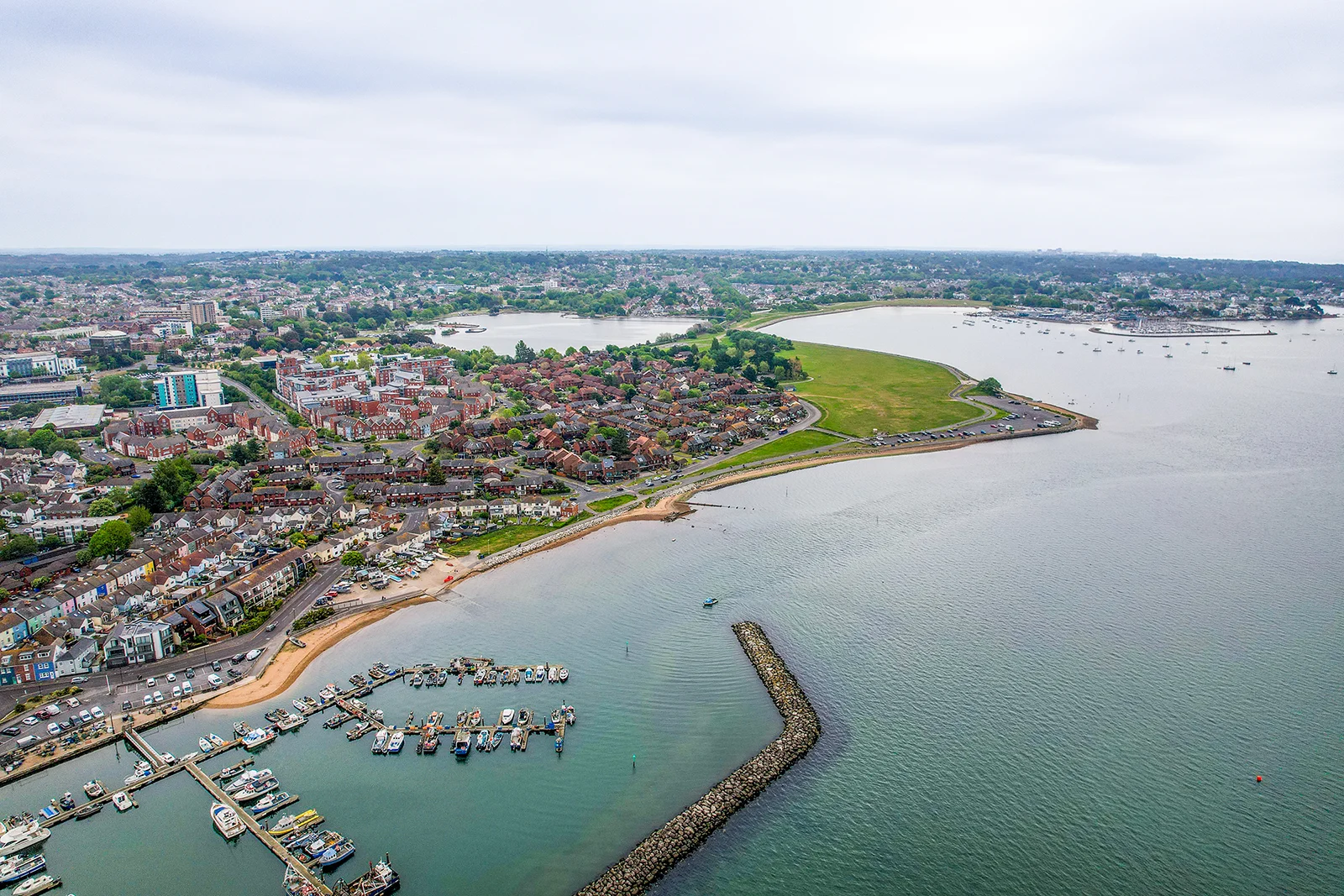
Drone photography can add valuable context to a holiday-let listing when the surrounding area, exterior space or coastal setting is part of the appeal. Used well, it helps guests understand where the property sits and what makes the location special.
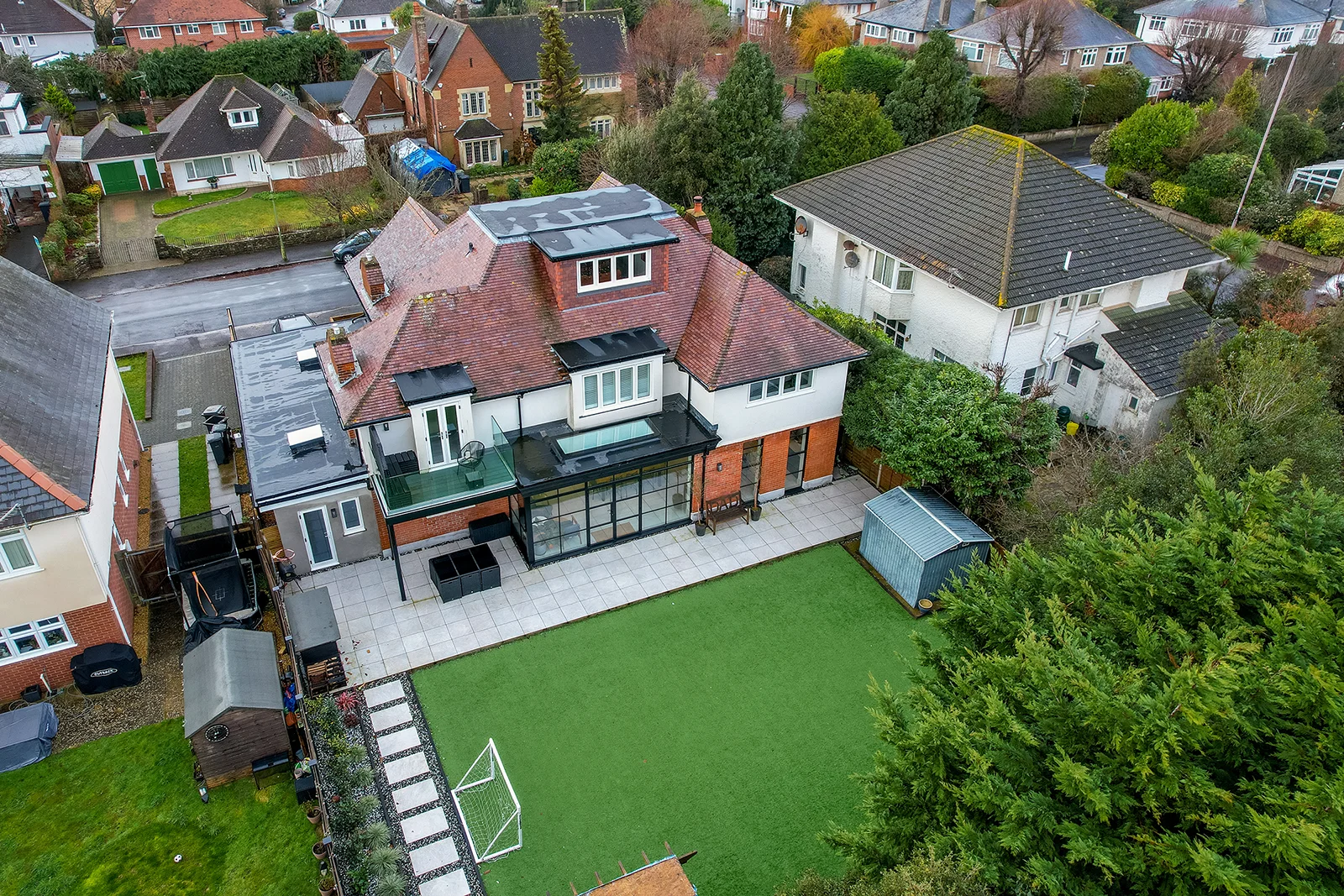
Drone photography can add real value to a Dorset or South Coast holiday-let listing, but only when it explains something that ground-level images cannot. The purpose is not to make the gallery look expensive. The purpose is to clarify setting, access, outdoor space, proximity, privacy or views.
Used well, drone images help a guest understand the property in its environment. Used badly, they become filler: impressive aerials that do not show the accommodation clearly or answer any booking question.
Useful, not decorative
The best drone images usually answer one of four questions: where is the property, what surrounds it, how does the outdoor space work, and what makes the setting worth paying for?
Use drone images when they explain something useful
Drone photography is strongest for coastal homes, rural settings, detached houses, large gardens, properties near water, accommodation with access routes that are hard to explain, and holiday lets where the exterior or setting is a major part of the stay.
It is less useful for dense streets where the aerial view does not improve understanding, or for properties where the surrounding area is not a selling point. In those cases, a clean front exterior, entrance and parking image may do more practical work.
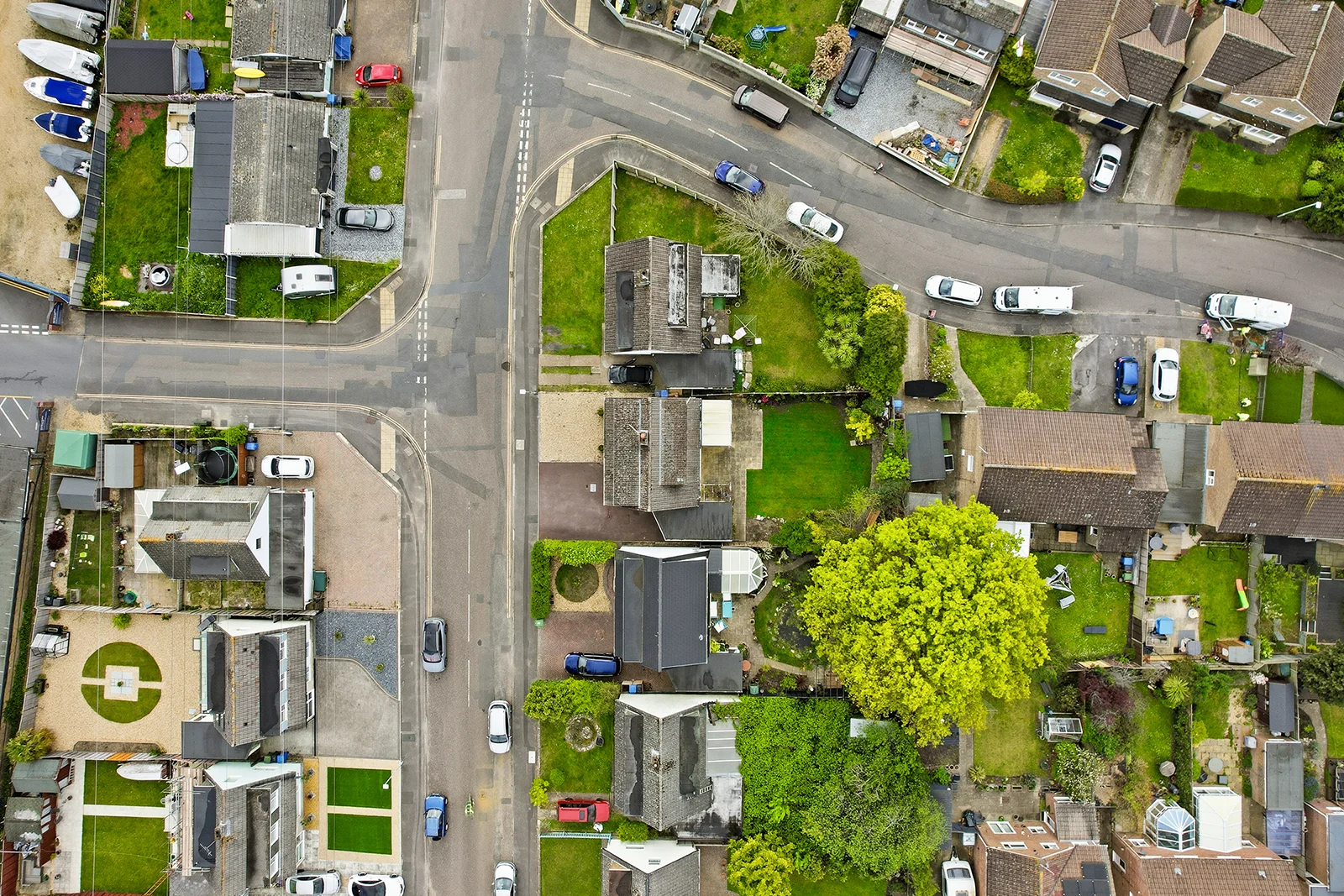
Plan the drone shots around guest decisions
A guest is not booking the drone image itself. They are using it to judge the stay. That means every aerial shot should have a reason. Show the garden if families care about outdoor space. Show the coastline if location is the point. Show parking if access matters. Show the building in context if the arrival experience could otherwise be unclear.
| Question | Drone image that helps | Less useful alternative |
|---|---|---|
| How close is the sea? | A composed aerial showing the property and coastline relationship. | A generic beach image with no property context. |
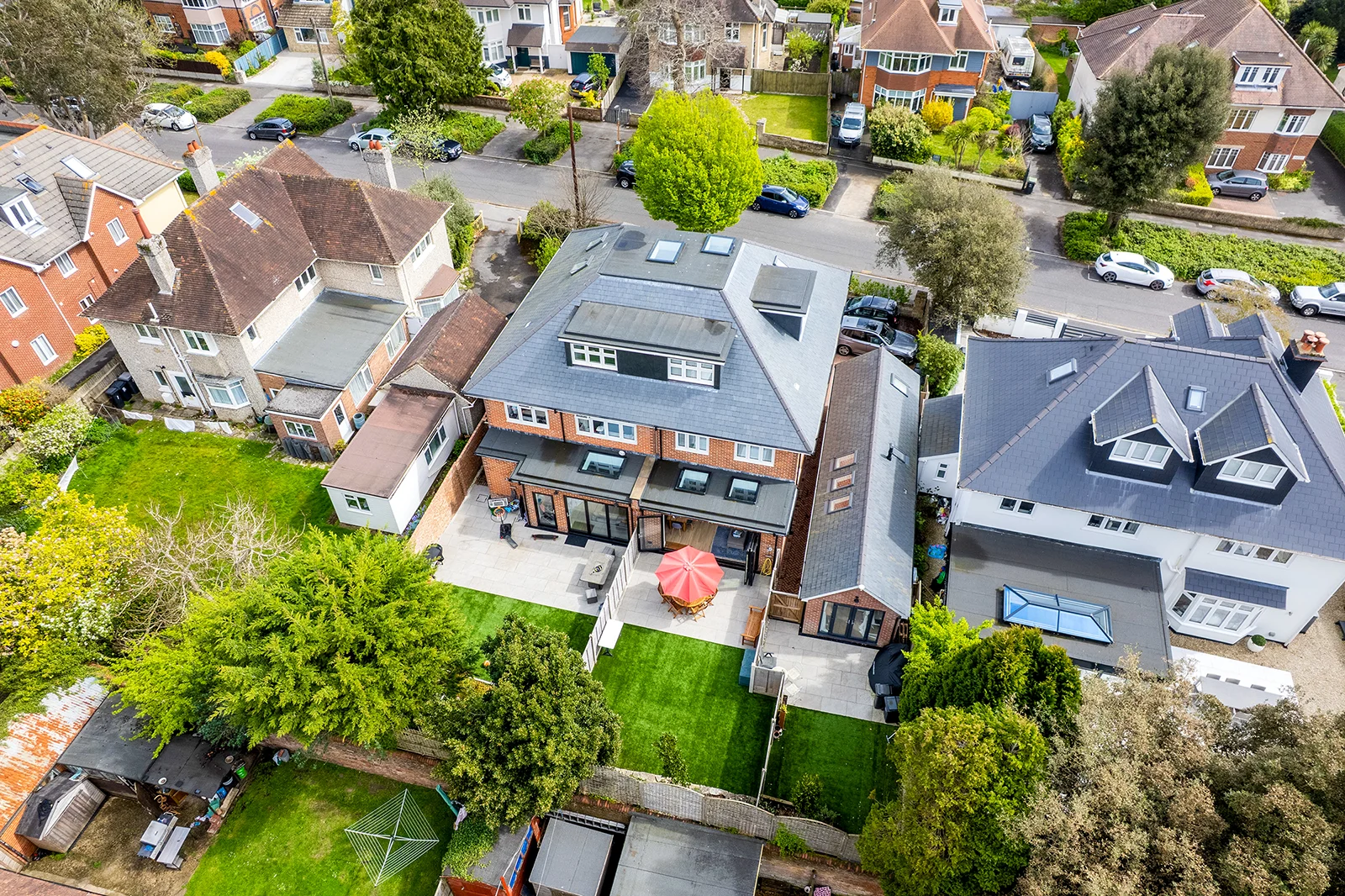
| Is the garden large or private? | A slightly elevated angle showing boundary, seating and lawn. | A high-altitude shot where the garden becomes unreadable. |
| Where do guests park? | An aerial or elevated arrival shot showing driveway/access. | A dramatic roofline image that hides practical access. |
| Is the setting quiet? | A wider context image showing surroundings honestly. | An over-cropped image that implies more privacy than exists. |
Think about regulations, neighbours and weather
Drone work should be planned properly. Weather, wind, take-off space, neighbouring properties, people, roads and local restrictions can all affect whether the shot is possible or appropriate. It is better to plan a smaller set of useful drone images than assume every property needs an aerial sequence.
Privacy also matters. If nearby homes, gardens or people are visible, the shot needs careful composition. The image should sell your property without making neighbouring properties feel exposed.
Drone images are most useful for:
- Coastal proximity, harbour views or countryside setting.
- Large gardens, terraces, hot tubs, tennis courts or outdoor amenities.
- Detached properties where privacy or scale is part of the value.
- Access, parking and arrival clarity.
- Direct booking websites where a stronger location story helps build confidence.
Drone photos are strongest with ground-level images
Aerial images should not replace proper still photography. Guests still need to see bedrooms, bathrooms, kitchen, living areas and practical details. Drone imagery is usually most effective when it appears after the main interior story, or when used selectively as a hero image if the setting is the strongest selling point.
The right balance is usually one to four drone images in a wider gallery, not an entire aerial sequence. If every other image is from above, guests still lack the information needed to book.
Sources and further reading
These references are included for context only. Drone availability depends on weather, location, permissions, operational constraints and property surroundings.
- UK Civil Aviation Authority: Drone and Model Aircraft Code — official CAA guidance for safe and legal drone operation in the UK.